When you head out onto a fertile fishery, surface water often conceals the complex underwater structure that dictates fish behavior. Rice Lake is renowned for its productive waters, yet many anglers spend hours casting into unproductive shorelines simply because the most productive cover sits submerged, away from plain sight. Unlocking the true potential of this dynamic waterway requires looking beneath the surface to locate submerged vegetation where trophy bass, walleye, and panfish congregate during feeding windows. Understanding where these submerged weed beds thrive saves precious hours and fuels higher catch rates. Rather than relying on guesswork, successful anglers combine bathymetric knowledge, visual indicators, and deliberate boat positioning to pinpoint isolated vegetation. When you base your outings from a premier waterfront access point, you secure an immediate operational advantage, cutting down travel time and getting your gear directly into high-percentage zones. Submerged plant colonies provide cover, trap oxygen, and create natural highways for baitfish. However, shifts in water clarity, seasonal changes, and boat traffic constantly alter how fish position around these hidden structures. Learning to systematically identify and target these subsurface environments will fundamentally change how you approach every outing on the water. Interpreting Underwater Contours and Basin Shifts Locating hidden vegetation starts with analyzing bottom composition and subtle depth changes. Weed species like cabbage and coontail thrive where hard bottom meets soft silt, particularly along gradual breaklines. When you examine a depth map, do not focus exclusively on extreme drop-offs; instead, search for subtle flats that transition from six to twelve feet. These transitional zones provide the perfect balance of sunlight penetration and stable water temperatures. Pay close attention to extended points that reach into open water. Submerged weed lines frequently form along the underwater spines of these points, creating distinct funnels that hold feeding fish. By identifying these structural highways, you can position your boat parallel to the breakline, allowing for methodical presentations along the outer edges of the growth. Secondary humps and submerged saddles between islands are also prime locations for isolated weed clusters. Because these areas are completely hidden from surface view, they experience significantly less angling pressure than visible shoreline reed beds. Fish inhabiting these deeper sanctuaries are far more cooperative and willing to strike natural presentations. To confirm bottom hardness, watch how your boat electronics interpret the return signal. A thin, hard line that transitions into a broader, softer band often signals the precise boundary where weed growth begins. Targeting these exact border points ensures your lures work through active strike zones rather than open, barren water. Mastering Sonar Interpretation for Submerged Weed Identification Modern fish-finding technology provides a clear window into subsurface conditions, provided you know how to configure and read your display. Traditional two-dimensional sonar displays submerged weeds as vertical spikes rising from the lakebed. When adjusting your sensitivity, aim for a clean separation between the solid bottom substrate and the softer, feathery returns of living plants. Side-imaging sonar offers an even greater advantage for locating isolated cabbage beds. As you cruise along expansive flats at idle speed, side-imaging paints a broad picture of the bottom, showing weed clumps as bright, textured patches that cast distinct sonar shadows. Identifying these irregular patches allows you to mark waypoints on isolated cover without driving directly overhead and spooking shallow-holding fish. Down-imaging complements this search by revealing the density of the weeds. Clear, healthy vegetation shows distinct stems and leafy canopies, whereas dying vegetation appears matted, broken, and dark. Active predatory fish consistently hold in green, oxygen-rich growth rather than decomposing plant matter. Once you identify a promising cluster on your screen, note its exact orientation to the prevailing current or wind. Fish habitually position on the up-current edge of these submerged beds to ambush passing bait. Aligning your drift or trolling path with these sonar readings ensures your bait enters the strike zone naturally. Visual Cues and Surface Signs of Concealed Cover Even without constant reliance on electronic screens, the lake surface reveals critical clues about submerged cover. Polarized sunglasses are essential equipment; amber or copper lenses increase contrast, allowing you to identify dark, subsurface patches even during overcast mornings. Glancing across a flat often reveals subtle color shifts, where deep blues turn into olive or emerald hues indicative of cabbage beds below. Surface disturbances also tell a distinct story. Current seams, subtle ripples, and localized calms frequently point to weed canopies that sit just a foot or two beneath the surface. These dense underwater forests absorb wave energy, leaving a glass-like sheen on the water directly above them, even when surrounding areas show a steady chop. Keep a close eye on bird activity and feeding waterfowl. Diving ducks and terns focus their hunting efforts on areas where juvenile baitfish congregate. When you observe birds repeatedly diving in open water with no visible structure, you are likely looking at the crown of a productive submerged weed bed. Observing baitfish movement provides another dead giveaway. Tiny minnows flicking the surface across open flats indicate that subsurface predators are pushing forage upward from the safety of weed pockets. Casting directly beyond these surface disturbances and working your lure down through the vegetation will trigger aggressive reaction strikes. Tackle Selection and Presentation Methods for Thick Weed Margins Effectively fishing submerged weed beds requires gear capable of extracting fish from dense cover without constant snagging. Heavy-action rods paired with low-stretch braided line give you the sensitivity to feel delicate contact with weed tops and the backbone needed to rip lures free. A sudden snap of the rod tip often triggers vicious strikes as a lure breaks through cabbage fronds. Consider these proven bait selections when targeting subsurface vegetation: Chatterbaits and Vibrating Jigs: Excellent for ticking the very tops of submerged weed lines; the aggressive vibration pulls fish out of the canopy while deflecting naturally off stalks. Texas-Rigged Soft Plastics: Equipped with bullet weights and pegged stoppers, these streamlined presentations slip cleanly through dense growth to reach fish resting near the bottom. Weightless Soft Jerkbaits: Ideal for working over the shallow tops of weed beds, darting erratically like injured baitfish before fluttering gently into open pockets. Deep-Diving Crankbaits with Deflection Angles: Running a crankbait into the outer edge of a weed line and pausing on contact creates an irresistible reaction bite as the bait floats upward. Efficiency is paramount when dissecting large beds. Start by working fast-moving reaction baits around the outer perimeter to catch active, roaming predators. Once you pick off aggressive fish on the borders, slow down your approach and drop soft plastics directly into deep pockets and interior clearings within the weed mat. Setting the hook firmly and immediately turning the fish away from the cover prevents them from burrowing deeper into thick stalks. Maintaining steady line pressure is critical, as any slack allows fish to wrap your line around heavy foliage and throw the hook. Seasonal Vegetation Shifts and Fish Relocation Patterns Submerged weed beds are not static; their structure, density, and depth distribution evolve dramatically as water temperatures shift throughout the open-water season. Early in the year, young weed growth emerges in shallow, sun-warmed bays. Fish flood these warming nurseries to hunt for insects and small minnows that thrive in the initial green shoots. As surface temperatures rise during midsummer, shallow vegetation often mats tightly or begins to degrade from intense heat and algal blooms. During this phase, predatory fish relocate toward deeper, offshore cabbage beds situated in eight to fifteen feet of water. These deeper colonies remain oxygen-rich, cool, and shielded from high boat traffic, making them primary holding zones. When autumn arrives and temperatures steadily drop, shallow weeds begin to die off and consume oxygen in the process. Fish abandon these decaying flats and concentrate along the deepest green weed edges they can find. These remaining deep beds hold massive concentrations of bait, setting the stage for some of the most consistent fishing of the season. Tracking these seasonal weed progressions enables you to eliminate dead water quickly. By adjusting your depth targets and focusing solely on healthy, vibrant growth, your presentations will consistently intersect with feeding schools throughout the entire season. Designing Your Ideal Angling Getaway Achieving consistent angling success requires balancing intense days on the water with comfortable, restorative rest. After spending focused hours reading contour lines, analyzing sonar returns, and fighting fish out of thick vegetation, having a reliable home base close to the action makes every outing seamless. Choosing a peaceful quiet retreat gives you the space to recharge, organize tackle, and prepare for the next morning on the water. Choosing well-appointed lakeside accommodation ensures that you never waste time trailering equipment back and forth across long distances. When your boat is docked just steps from your door, you can effortlessly capitalize on early-morning feeding periods and serene dusk conditions. This convenience transforms your trip into a smooth, rewarding, and highly productive fishing experience. If you are planning your next productive angling escape and want convenient access to exceptional waters, our team can help you select the ideal setup. Send an email to info@sunsetcoveresort.com to discuss docking amenities, lodging availability, and local conditions for your upcoming trip.
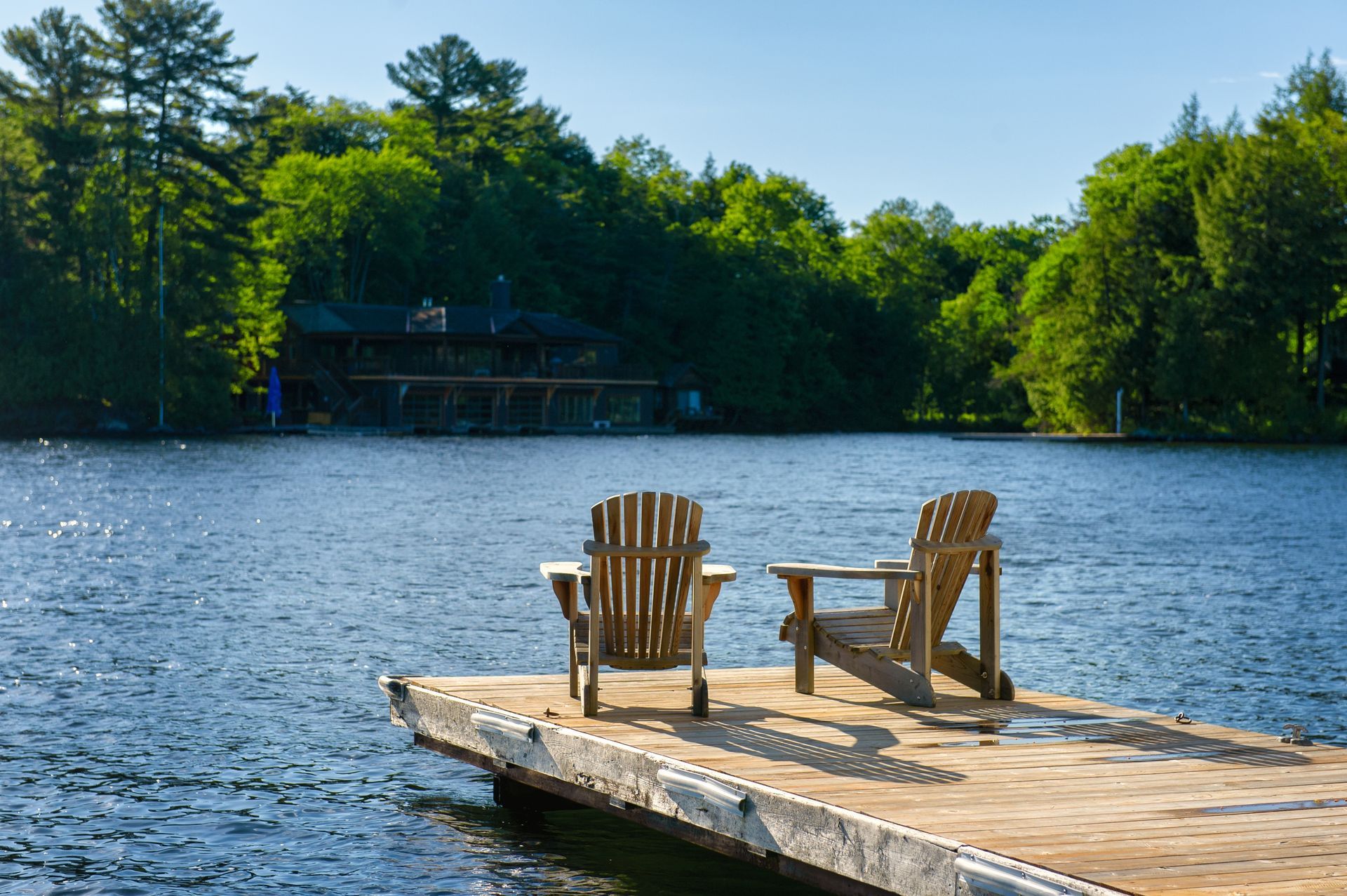
Organizing an extended angling getaway often presents hidden operational hurdles that compromise your leisure time. When you coordinate logistics for a multi-generational group or assemble travel plans across state and provincial borders, balancing lodging quality with dependable angling entry points can become exhausting. Inadequate docking facilities, crowded boat ramps, and noisy accommodations quickly degrade what should be an orderly, restful open-water excursion. These frictions multiply when you attempt to match the varied needs of retirees, active anglers, and visiting relatives within a single itinerary. Many properties promise proximity to the water, yet deliver lengthy trailering routines, congested shorelines, and unpredictable launch fees that disrupt early morning departures. Securing a comfortable stay at a dedicated Resort eliminates these points of friction, positioning your party directly beside productive water while preserving high standards of domestic comfort. To protect your recreational investment, you require a systematic approach to booking, preparation, and daily shoreline routines. Aligning vessel infrastructure, geographic timing, and quiet living spaces ensures that your excursion delivers pure angling productivity alongside genuine rest. By establishing precise criteria for your accommodations and shoreline operations, you can secure an uninterrupted, successful itinerary on the water. Evaluating Shoreline Infrastructure and Dedicated Fishing Access Your primary logistical focus must center on how effortlessly you can move from your living quarters to open water. High-grade fishing access requires more than a simple view of the bay; it demands stable docking, adequate shoreline clearance, and secure vessel mooring that protects your equipment against wind and wave action. When docking options are modern and well-spaced, your morning departures remain calm, efficient, and free from trailer bottlenecks. Evaluate the quality of the on-site shoreline entry points before committing your itinerary. Properties that offer dedicated launch facilities allow you to launch your craft once upon arrival, park your vehicle, and keep your equipment moored safely steps from your doorway. This operational advantage saves hours of staging time every morning, granting you access to prime weed lines and drop-offs during peak feeding windows. Consider the accessibility of vessel services on site, such as reliable power hookups for recharging trolling motor batteries overnight. An angler who loses prime morning hours to dead marine batteries faces preventable frustration that disrupts the rhythm of the entire trip. Properties equipped with dependable shore power stations demonstrate an authentic understanding of angler requirements. Review safety protocols surrounding the docks and boarding areas. Broad gangways, non-slip decking materials, and perimeter lighting ensure that older relatives and young children can traverse the shoreline safely during low-light hours. These structural standards give you peace of mind whenever family members join you along the docks for evening casting. Selecting Accommodations That Balance Angling Utility with Quiet Living Angling trips often falter when lodging compromises personal space or basic household convenience. Choosing between private multi-bedroom cottages and spacious RV spaces requires careful assessment of your group size and privacy requirements. A successful excursion relies on quiet retreat principles, ensuring that early morning departures do not wake family members who prefer a slower, restful schedule. Independent cottages provide fully equipped kitchens, separated living quarters, and private outdoor areas that allow your group to unwind comfortably after hours under the sun. Having full cold storage and preparation facilities lets you manage fresh catches, store specialty tackle securely, and prepare nutritious meals without leaving the grounds. This level of self-contained domestic utility keeps daily travel expenses predictable and manageable. If you prefer mobile touring, properly graded RV sites with direct shoreline connectivity offer comparable convenience. Ensure that the designated grounds provide level pads, complete utility hookups, and sufficient clearance for wide vehicle slide-outs and boat trailers. Crowded, uneven vehicle sites cause unnecessary equipment stress and hinder smooth vehicle maneuvering. Sound separation and residential spacing across the resort grounds remain equally significant factors. Properties that establish clear quiet hours and preserve natural buffers between lodging units protect your rest. Restorative sleep is fundamental when you plan to rise before dawn for multiple consecutive days on the water. Understanding Local Aquatic Habitats and Seasonal Species Patterns Rice Lake features a rich, highly diverse ecosystem characterized by fertile weed beds, submerged structure, shallow flats, and sudden depth transitions. Achieving steady angling success demands that you study these ecological contours well before you drop a line. Identifying key underwater topography helps you allocate your time efficiently across expansive surface acreage. The lake is renowned for producing quality sport fish, including largemouth bass, smallmouth bass, walleye, and muskie, alongside abundant panfish populations. Each target species responds to specific habitat structures and seasonal temperature swings across the waterway: Largemouth Bass: Target extensive shallow weed flats, dense milfoil pockets, and protected lily pad beds where predators stage throughout warm weather periods. Smallmouth Bass: Focus your efforts on hard bottom points, sunken gravel bars, and rocky current transitions, particularly during morning and dusk feeding runs. Walleye: Concentrate on mid-depth weed edges, channel transitions, and soft-bottom feeding zones where drift-jigging and worm harnesses yield steady results. Panfish Varieties: Work sheltered docks, shore pilings, and interior bay zones with light tackle, providing accessible angling action for younger family members. Securing direct waterfront access allows you to observe daily atmospheric shifts right from the dock, enabling rapid tackle adjustments as weather fronts develop. When your lodging sits directly along the shore, you can exploit brief overcast windows or rising barometric pressure without organizing a prolonged expedition. Streamlining Daily Boating Logistics and Shoreline Management A completely stress-free angling vacation hinges on disciplined equipment management and routine vessel care. Staging your gear systematically inside your craft avoids clutter, prevents damaged graphite rods, and keeps your deck clear for safe netting. Establish a daily routine that treats boat preparation as an integral, organized part of your schedule. Begin each evening by securing all rods, electronic units, and personal flotation equipment in locked lockers or your private cottage. Wipe down livewells, check bilge pumps, and immediately connect battery chargers to avoid morning delays. When you treat equipment care as an orderly evening ritual, your early morning launch proceeds without a single hitch. If your travel party chooses not to trailer a personal vessel, inquire about on-site boat rental programs that match your operating skill. Modern, well-maintained rental craft equipped with dependable outboards, safety kits, and simple navigation features eliminate the mechanical overhead of highway trailering. This flexibility proves ideal for multi-generational groups traveling from distant regions. Shoreline organization also entails careful management of your catch. Clean-up stations featuring running water, hygienic cutting surfaces, and covered disposal bins keep fish processing straightforward and clean. These facilities protect your cottage interior from lingering odors while ensuring harvested fish remain pristine for freezing or immediate shore meals. Structuring Multi-Generational Itineraries Around Relaxation and Safety Balancing intense angling goals with the desires of traveling companions who do not fish requires thoughtful scheduling. A successful group vacation allows dedicated anglers to spend extensive hours on productive water while offering other guests an enriching, peaceful nature sanctuary. Designing an itinerary with natural pauses ensures every individual enjoys their chosen pace. Structure your days around split sessions, venturing onto the water at sunrise, returning for a late morning group brunch, and enjoying shoreline recreation through the middle of the afternoon. This schedule allows serious anglers to fish prime feeding windows while reserving the warmest, brightest hours for communal outdoor meals, reading by the water, or relaxing on shaded cottage decks. Safety considerations must remain front and center throughout your stay. Clear water access rules, properly fitted life jackets for all ages, and stable watercraft boarding points provide reassurance to family members of varying physical abilities. Knowing that older relatives and young children can safely enjoy the water permits everyone to relax fully. Uncomplicated check-in procedures and direct communication with on-site operators remove typical arrival friction. When arrival logistics are transparent and your lodging is thoroughly prepared, you avoid long registration lines and begin your vacation immediately. An organized property baseline sets a calm tone that carries through your entire week on the water. Building Your Planned Shoreline Escape Executing an orderly, productive angling trip comes down to partnering with a destination that prioritizes functional access, physical safety, and personal space. By choosing accommodations that place high-grade docks, level RV grounds, private cottages, and rich aquatic structure in one setting, you eliminate the operational stress that compromises open-water travel. Your time away should center on productive fishing runs and quiet hours beside the lake, backed by reliable amenities that serve every generation of your party. If you are ready to evaluate lodging selections, review seasonal availability, or verify specific shoreline accommodations for your upcoming itinerary, direct your inquiries to info@sunsetcoveresort.com for a detailed assessment of your travel needs.

When you plan a getaway for your group, you expect a seamless experience free from unexpected disruptions. The reality of modern travel often presents a completely different picture. Hidden distractions frequently compromise the restorative nature of your trip. You might book a destination expecting peace, only to arrive and find overcrowded common areas, constant ambient noise, and logistical hurdles. These unexpected friction points quickly drain your energy. A poorly aligned location shifts your focus away from relaxation and forces you into a state of constant management. Addressing these environmental variables early in your planning process prevents a disappointing outcome. You must carefully evaluate the physical layout and operational standards of your chosen destination. High volume tourist centers often sacrifice privacy for maximum capacity. This business model inherently creates a chaotic environment that actively works against your need for rest. True relaxation requires a deliberate separation from excessive stimuli. You need a setting designed specifically to minimize external interruptions and prioritize your comfort. Finding a reliable Resort that prioritizes these operational standards guarantees a much better experience for everyone involved. Achieving a successful family friendly stay demands a strategic approach to destination selection. You have to look beyond basic amenities and assess the core philosophy of the property. A location that actively manages noise volumes and limits overcrowding provides a superior baseline for your trip. Your time is a valuable asset. Protecting that time from unnecessary distractions ensures you return home fully recharged. You deserve an environment that actively supports your goals rather than presenting constant obstacles. Identifying the Friction Points of Overcrowded Destinations Many popular destinations operate on a high volume business model that inherently generates significant environmental friction. When you arrive at these locations, you immediately encounter crowded lobbies, congested pathways, and limited access to core amenities. This constant proximity to large groups of strangers eliminates any sense of privacy. You find yourself competing for space rather than enjoying your downtime. The sheer volume of people creates a baseline of stress that permeates every aspect of your visit. You spend more time navigating around others than you do actually relaxing. The architectural design of mass market properties often exacerbates these crowding issues. Shared walls, dense building clusters, and centralized recreational zones guarantee that noise travels freely between groups. You cannot control the schedules or behaviors of the people staying right next to you. Late night gatherings or early morning departures in adjacent units directly impact your ability to rest. This lack of physical separation removes your autonomy over your own environment. You are forced to adapt to the chaotic rhythm of the crowd. To avoid these negative outcomes, you must prioritize properties that offer distinct physical boundaries between guests. Independent cottages or generously spaced recreational vehicle sites provide a necessary buffer against external noise. This structural separation allows you to dictate the pace of your own day. You can enjoy early mornings on a private deck or quiet evenings without worrying about disturbing others. A thoughtfully designed property layout fundamentally changes the dynamic of your trip. Evaluate the property map to ensure adequate spacing between individual units. Look for independent structures rather than multistory hotel blocks. Verify the presence of natural buffers like trees or landscaping between sites. Confirm that the property enforces strict quiet hours to protect your sleep schedule. The Strategic Value of an Authentic Quiet Retreat Finding a genuine quiet retreat requires careful research into a property location and operational guidelines. True silence is a rare commodity in modern travel settings. Many locations advertise themselves as peaceful but sit directly adjacent to busy highways or active commercial waterways. You must verify the geographical isolation of the property to ensure authentic tranquility. A secluded environment naturally filters out the mechanical and industrial noises of daily life. This geographical buffer allows the natural soundscape to take precedence. The psychological benefits of a silent environment cannot be overstated. When you remove constant background noise, your central nervous system finally has the opportunity to decompress. You notice a physical reduction in tension when you are no longer subjected to sirens, traffic, or loud music. This auditory rest is a fundamental component of effective recovery. You sleep deeper and wake up feeling significantly more refreshed. The absence of noise allows you to focus completely on your immediate surroundings and companions. Properties that successfully maintain a serene atmosphere usually implement strict operational policies to protect that environment. You will find that these locations actively discourage loud parties or disruptive group events. They cater specifically to individuals and groups seeking a calm atmosphere. This alignment of guest expectations creates a harmonious community during your stay. Everyone present shares a mutual respect for the peaceful nature of the property. You do not have to worry about confrontational situations regarding noise complaints. Your ability to recharge depends entirely on the quality of your resting environment. You should intentionally select destinations that prioritize natural sounds over artificial entertainment. Listening to wind through the trees or water lapping against the shore provides a deeply grounding experience. This connection to nature actively lowers stress hormones and promotes a sense of well being. You return to your daily obligations with renewed mental clarity and emotional stability. Eliminating Logistical Headaches for Multigenerational Groups Coordinating a trip that includes young children, parents, and retirees introduces complex logistical challenges. Every age group brings specific physical requirements and daily routines to the table. If you choose a destination with complicated terrain or scattered amenities, you immediately create friction. Older guests may struggle with steep inclines or long walks to essential facilities. Younger guests require safe, contained areas to play without constant supervision. You need a centralized, accessible layout to keep the entire group comfortable and engaged. The booking process itself often serves as the first indicator of operational efficiency. You should look for straightforward reservation systems that offer clear visibility into accommodation types and locations. Complex booking portals with hidden fees or ambiguous room descriptions lead to stressful surprises upon arrival. A transparent process allows you to secure the exact combination of cottages or sites your group requires. You can confidently plan your layout to ensure proximity for family members while maintaining individual privacy. Flexible lodging options are essential for accommodating diverse group dynamics. Some members of your party may prefer the full amenities of a private cabin. Others might travel with their own recreational vehicles and simply need a fully equipped, flat terrain site. A destination that offers a mixture of these accommodations in one location solves a major planning headache. You can keep the entire group together without forcing anyone to compromise on their preferred style of lodging. This flexibility ensures high satisfaction rates across the board. Select properties with flat terrain and clear pathways for guests with mobility concerns. Ensure the destination offers a variety of lodging styles to suit different preferences. Verify that the booking policies allow for flexible check in times to accommodate travel delays. Confirm the availability of on site management to handle immediate maintenance requests. Maximizing the Benefits of Direct Waterfront Access Proximity to water provides a significant advantage when planning a restorative trip. However, there is a distinct difference between a property located near a lake and one offering direct waterfront access. When you have immediate access to the shoreline, you eliminate the need to pack up vehicles and commute to public beaches. This convenience fundamentally changes the rhythm of your day. You can seamlessly transition from breakfast on your porch to a morning boat ride in a matter of minutes. This frictionless access maximizes your actual leisure time. For enthusiasts, immediate proximity to prime fishing locations is a strict requirement. You want the ability to launch a boat or cast a line without navigating crowded public docks. A property that caters to fishing provides specialized infrastructure like private slips, cleaning stations, and secure equipment storage. This dedicated setup allows you to focus entirely on the sport. You can take advantage of early morning or late evening feeding times without worrying about travel logistics. The convenience directly enhances your overall success and enjoyment on the water. Waterfront environments naturally encourage organic, unstructured recreation for all age groups. You do not need to rely on highly programmed, expensive activities to keep everyone entertained. Simply having access to a safe shoreline allows for spontaneous swimming, kayaking, or nature observation. This type of independent play is highly beneficial for children and relaxing for adults. You can supervise these activities comfortably from your own accommodation. The water itself becomes the primary amenity of your trip. You must ensure that the property maintains high safety standards around its water features. Clear signage, properly maintained docks, and designated swimming areas protect your group from unnecessary risks. A professionally managed waterfront provides peace of mind while you relax. You can trust that the infrastructure is sound and the environment is monitored. This security allows you to fully disengage from worry and immerse yourself in the natural setting. Prioritizing Privacy and Security in Your Planning Privacy is not simply a luxury; it is a fundamental requirement for a truly successful getaway. When you are constantly observed or interrupted by other guests, you remain in a state of mild alertness. You cannot fully relax your guard in a highly public environment. Choosing a destination that prioritizes physical and visual separation between units gives you the freedom to unwind completely. You can conduct your daily routines without feeling like you are on display. This sense of seclusion is highly restorative. Security protocols play an equally important role in facilitating relaxation. You need to know that your family and your belongings are safe throughout your stay. Properties that implement controlled access, adequate lighting, and clear perimeter boundaries provide a secure baseline. When you feel physically safe, your mental state naturally shifts toward relaxation. You do not have to spend your vacation constantly monitoring your environment for potential threats. Professional management ensures that the grounds remain secure and exclusive to registered guests. The design of individual accommodations should also reflect a commitment to privacy. Features like private decks, screened porches, and strategically placed windows prevent unwanted observation. You should be able to enjoy your morning coffee or an evening meal without making eye contact with strangers. This architectural thoughtfulness demonstrates a deep understanding of guest needs. It proves that the property values your personal space as much as you do. Review property photos to confirm the presence of visual barriers between accommodations. Ask management about their policies regarding outside visitors on the property. Verify that parking is located conveniently close to your unit for secure loading and unloading. Ensure that the property maintains clear, brightly lit pathways for safe evening navigation. Protecting your time away from daily obligations requires a proactive approach to destination selection. You must actively filter out properties that tolerate high noise volumes, overcrowding, and logistical friction. By prioritizing locations that offer structural privacy, direct access to nature, and flexible accommodation options, you guarantee a superior experience for your entire group. A thoughtfully chosen environment naturally eliminates the hidden distractions that routinely ruin standard vacations. You secure a setting where genuine rest and meaningful connection can actually occur. Securing this standard of quality requires partnering with a property that understands these exact operational standards. You deserve a seamless booking process and a dependable environment that caters specifically to your need for peace and accessibility. To begin planning a trip that perfectly aligns with these rigorous standards, you should reach out directly to discuss your specific group requirements. Please send your inquiries to info@sunsetcoveresort.com to receive a personalized evaluation of available dates and lodging configurations.

Planning a vacation requires careful attention to location accuracy. You often see advertisements promising beautiful lake views and immediate water entry. However, many properties fail to deliver on these claims upon arrival. You might find yourself driving miles just to reach a public beach or a crowded boat launch. This discrepancy creates unnecessary stress during your limited time off. You need a reliable strategy to verify the exact proximity of natural amenities before you finalize your travel plans. Securing genuine waterfront access demands a thorough evaluation of property layouts and geographical maps. You must look beyond standard promotional photos to understand the actual distance between your lodging and the shoreline. A truly effective search focuses on private docks, level sites, and direct lake frontage. These features ensure your group can walk straight from their accommodations to the water without logistical hurdles. You want to spend your days enjoying the outdoors instead of managing complicated transportation logistics. Creating a successful itinerary also means finding a balanced environment for every member of your group. You need a family friendly stay that accommodates different ages and mobility levels. Quiet retreats offer the perfect solution by combining accessible shorelines with serene surroundings. You can avoid the noise of heavily populated tourist zones while maintaining close proximity to recreational activities. This approach guarantees a restful experience where everyone can enjoy nature at their own pace. Evaluating Authentic Water Proximity The first step in planning your getaway involves defining what direct water entry means for your specific needs. You must determine if you require a private beach, a dedicated boat slip, or simple shoreline access for evening walks. Many listings use vague terminology to describe their location. You should actively seek out properties that provide clear property maps and detailed descriptions of their waterfront features. This diligence prevents unexpected surprises when you arrive at your destination. You also need to consider the topography of the land surrounding the water. Steep cliffs or rocky drop offs can make a nearby lake completely inaccessible for children or older relatives. You should prioritize locations that advertise level sites and gentle slopes down to the water. These physical characteristics ensure everyone in your party can safely approach and enjoy the shoreline. You can often verify these details by reading reviews from previous guests who traveled with multigenerational groups. Fishing enthusiasts require specific conditions to make their trip worthwhile. You need immediate access to deep water or well maintained docks to cast your lines effectively. Properties that cater to anglers typically highlight their fishing infrastructure clearly in their materials. You should look for mentions of specific fish species, boat rental availability, and designated fishing zones. This specific focus indicates a property that understands and supports your recreational priorities. Your evaluation must also include the privacy level of the waterfront area. Public beaches often suffer from overcrowding and excessive noise during peak travel seasons. You want to secure a location that restricts water access to registered guests only. This exclusivity provides a calm atmosphere where you can relax without competing for space. You can fully appreciate the natural setting when you know the environment remains controlled and secure. Prioritizing Quiet Environments for Restful Stays A truly relaxing vacation depends heavily on the acoustic environment of your chosen destination. You want to escape the constant hum of city traffic and neighborhood disturbances. Many popular vacation spots place accommodations too close together. This dense packing results in noise bleeding between cabins and campsites. You must seek out properties that intentionally space their lodging options to preserve individual privacy. To identify a genuinely peaceful retreat, you should analyze the operational policies of the property. Destinations that enforce strict quiet hours demonstrate a commitment to restful experiences. You can look for the following indicators of a calm environment: Clear guidelines regarding outdoor music and evening gatherings. Limited overall capacity to prevent crowding in common areas. Strategic landscaping that creates natural sound barriers between sites. A focus on nature based activities rather than loud entertainment venues. The surrounding geographic area also plays a significant role in maintaining a peaceful setting. You should investigate the zoning and development patterns near your prospective lodging. Properties located at the end of private roads or nestled within protected natural reserves offer superior acoustic isolation. You avoid the ambient noise generated by passing highway traffic or commercial boat traffic. This isolation allows you to fully immerse yourself in the sounds of nature. You must also consider how the property handles multigenerational groups. A successful quiet retreat accommodates active children while still providing serene spaces for older adults. You should look for locations that offer distinct zones for different types of activities. This spatial organization allows families to play near the water while others relax undisturbed on their private porches. You achieve a harmonious trip when the environment supports diverse needs simultaneously. Navigating Lodging Options for Multigenerational Groups Coordinating travel for extended families requires flexible and comfortable sleeping arrangements. You rarely find a single cabin that perfectly suits grandparents, parents, and young children all at once. You must identify destinations that offer a variety of lodging styles within the same immediate area. This variety allows different family units to select the exact type of accommodation that fits their specific comfort requirements. You keep the group together without forcing everyone into identical living conditions. Private cottages provide an excellent foundation for family members who prefer traditional indoor comforts. You should look for well maintained cabins that feature full kitchens, separate bedrooms, and private bathrooms. These amenities allow families with young children to maintain their daily routines regarding meals and naps. You also provide older relatives with the climate control and physical comfort they need for a restful stay. You ensure high satisfaction levels when you prioritize functional, comfortable indoor spaces. Simultaneously, you might have family members who prefer the mobility and familiarity of their own recreational vehicles. You need a destination that seamlessly integrates RV spaces with traditional cottage rentals. You should verify that the RV sites offer full hookups, level parking pads, and adequate shade. When a property provides high quality RV infrastructure alongside standard cabins, you eliminate the friction of divided family trips. Everyone can gather around a single campfire in the evening while retreating to their preferred lodging at night. The physical distance between these different lodging types requires careful consideration. You want your cottages and RV sites located within easy walking distance of each other. This proximity encourages spontaneous gatherings and shared meals. You should request a property map to ensure your reserved spaces sit adjacent or across from one another. You build a more cohesive group dynamic when physical distance does not create artificial barriers between family members. Streamlining the Reservation Process Organizing a trip for multiple people involves managing conflicting schedules and diverse financial preferences. You need a booking system that removes unnecessary complications from the planning phase. An easy booking experience starts with transparent pricing and clear availability calendars. You should avoid properties that require lengthy back and forth communication just to secure basic pricing information. You save valuable time when you can view all costs and available dates directly on the provider platform. Flexible cancellation and modification policies provide essential peace of mind during the planning stages. Family emergencies or unexpected work obligations can force sudden changes to your travel dates. You must select properties that offer reasonable windows for adjusting your reservations without severe financial penalties. This flexibility allows you to commit to your plans confidently. You protect your investment while maintaining the ability to adapt to unforeseen circumstances. You should also evaluate the clarity of the property rules and expectations before you finalize your transaction. A professional operation provides comprehensive details about check in procedures, pet policies, and included amenities upfront. You prevent misunderstandings when all terms are explicitly stated during the reservation phase. This transparency builds trust between you and the property management team. You can pack appropriately and arrive with accurate expectations of the services provided. Direct communication channels remain a highly important factor in the reservation process. You often have specific questions regarding accessibility or special requests for your group. You need a property that responds promptly and professionally to your inquiries. When management demonstrates attentive customer service before you even book, you can expect a high standard of care during your stay. You ensure a smooth arrival and check in experience by establishing clear communication early in the process. Maximizing On Site Recreation and Fishing Opportunities The success of your getaway often hinges on the quality and accessibility of outdoor activities. You want a destination that offers built in entertainment options without requiring daily off site excursions. Properties that feature robust on site recreation keep your group engaged and happy. You should prioritize locations that maintain their own fleet of rental equipment. This convenience allows you to transition seamlessly from breakfast to a morning on the water. Fishing stands out as a premier activity for multigenerational bonding. You need a location that actively supports both novice and experienced anglers. You should look for properties situated on lakes known for healthy fish populations and clean water. The presence of on site boat rentals specifically configured for fishing greatly enhances your experience. You eliminate the hassle of towing your own vessel or driving to a distant marina. Safety protocols around water recreation require your strict attention. You must ensure the property provides adequate safety equipment, including properly sized life jackets for all ages. You should also verify that the management conducts regular maintenance on their docks, boats, and shoreline infrastructure. A safe environment allows you to relax while your family enjoys the lake. You can focus on creating memories rather than worrying about potential hazards. Nature immersion extends beyond the immediate shoreline. You should seek out properties that offer complimentary access to hiking trails, nature viewing areas, and open green spaces. These additional amenities provide alternative activities for days when the weather makes water sports less appealing. You ensure a well rounded vacation by selecting a location with diverse recreational options. You give every member of your group the opportunity to connect with nature in their preferred manner. Securing the ideal location for your family getaway requires deliberate research and clear priorities. You must look past superficial marketing claims to verify the actual quality of the waterfront, the peacefulness of the environment, and the flexibility of the lodging options. When you carefully evaluate these specific elements, you guarantee a trip that satisfies the diverse needs of your entire group. You create a foundation for lasting memories in a beautiful, natural setting. Taking the next logical path toward your ideal vacation involves direct consultation with hospitality professionals who understand your requirements. You can easily confirm availability, discuss specific cabin layouts, and secure your preferred dates by reaching out directly. To begin planning your customized nature escape, you should send an inquiry to info@sunsetcoveresort.com today. You will receive precise information regarding accommodations and recreational options to ensure your trip meets every expectation perfectly.

Planning a vacation requires a significant investment of your time, capital, and emotional energy. You expect a high return on that investment in the form of deep relaxation and meaningful connection. Many travelers prioritize advertised activities and amenities over the physical layout of their accommodations. This oversight often leads to a compromised experience. You might secure a destination that promises endless entertainment but fails to deliver the fundamental peace required for true rest. The architectural design of a location dictates your daily experience just as much as the local attractions. The hidden costs of ignoring spatial dynamics during your vacation planning are substantial. When you book a resort that lacks adequate separation between guests, you expose your group to constant noise and disruption. A genuine family friendly stay requires more than just a playground or a swimming pool. It demands a carefully structured environment where your group can decompress without the friction of overcrowded shared spaces. You must evaluate the spatial design of a property just as rigorously as you review its list of activities. Failing to secure a quiet retreat results in measurable exhaustion. Your scheduled downtime becomes a stressful exercise in managing external disturbances. The constant proximity to other vacationers drains your energy reserves. This dynamic actively works against the primary objective of taking time off. You end up returning home needing another vacation just to recover from the first one. A strategic approach to booking prevents this negative outcome. The Financial Impact of Disrupted Sleep and Rest Sleep disruption represents one of the most immediate penalties of choosing crowded accommodations. You invest hard-earned money into a vacation specifically to recharge. When thin walls and shared corridors allow every footstep and conversation to echo into your living space, your rest is severely compromised. The financial value of your daily rate diminishes with every hour of lost sleep. You are essentially paying a premium for an environment that actively prevents relaxation. Consider the compounding effect of exhaustion on your daily vacation itinerary. When you wake up tired, your capacity to enjoy paid activities drops significantly. You might skip planned excursions or cut fishing trips short because you lack the necessary energy. These skipped activities represent wasted capital. Your initial budget allocations for recreation dissolve into unused opportunities. Poor sleep directly erodes the value of your entire trip. A privacy focused lodging solution directly protects your investment in rest. Standalone cottages and carefully spaced recreational vehicle sites provide a physical buffer against external noise. This architectural separation ensures that your sleep schedule remains entirely under your control. You can wake up naturally and approach your daily schedule with maximum energy. The return on your accommodation investment remains entirely intact. To safeguard your rest, you must prioritize specific spatial features during your booking process. Look for properties that emphasize natural barriers between units. Analyze the property map to verify the distance between individual cabins or sites. Confirm the presence of tree lines or natural landscaping that absorbs sound effectively. Review guest feedback specifically regarding nighttime noise levels and enforcement. Prioritize locations that enforce strict quiet hours to protect your peace. The Emotional Toll of Crowded Shared Spaces Emotional friction escalates rapidly when your group is forced into constant contact with strangers. A successful vacation requires a delicate balance between engaging activities and private decompression time. Without a dedicated sanctuary, your group members cannot regulate their emotional states effectively. The resulting irritability creates tension within your group. This internal conflict severely damages the overall quality of your trip. Shared amenities often become battlegrounds for space and resources rather than places of enjoyment. When you must compete for a spot on the beach or a place at the fishing dock, your stress levels rise. The mental energy spent navigating these crowded environments detracts from the joy of the experience. You find yourself managing logistics rather than participating in the moment. This constant vigilance drains the enjoyment from your scheduled leisure time. Securing a quiet retreat eliminates this unnecessary competition for resources. When your accommodation includes private access to natural features, you bypass the crowds entirely. You can walk to the water on your own schedule without worrying about reserving a spot. This frictionless access allows you to focus entirely on your surroundings. Your mental bandwidth remains reserved for positive interactions and memory creation. You can measure the success of a trip by the reduction of daily decision fatigue. Private environments naturally limit the number of micro-decisions you must make. You no longer need to calculate the optimal time to visit the dock to avoid crowds. You can leave your fishing gear safely on your private deck without security concerns. You avoid the social obligation of constantly interacting with neighboring guests. You dictate the pace of your day based entirely on your personal preferences. Compromised Safety and Security in High-Density Lodging High-density vacation properties introduce significant variables regarding safety and security. When hundreds of guests share common entry points and recreational areas, monitoring your environment becomes increasingly difficult. You must maintain a heightened state of awareness when navigating these busy spaces. This constant supervision prevents you from fully relaxing. Your role shifts from a vacationing participant to an active security monitor. The physical layout of a property directly dictates your ability to establish secure boundaries. In a crowded hotel or densely packed park, the lines between public and private space blur constantly. Strangers may inadvertently walk through your seating area or linger near your windows. This lack of defined territory creates a persistent sense of vulnerability. You cannot fully unwind when your physical boundaries are constantly breached by unknown individuals. Opting for privacy focused lodging establishes clear, defensible zones for your group. A standalone cottage or a spacious site provides a distinct perimeter. You can easily monitor who enters your immediate vicinity. This clear delineation of space allows you to lower your guard safely. You can read a book on the porch while keeping a secure, visible radius around your area. Evaluating the security infrastructure of a potential booking requires careful attention to detail. You must look beyond the marketing materials to understand the actual physical layout. Examine the ratio of private space to shared public areas on the property map. Verify that your lodging offers a private entrance away from main thoroughfares. Ensure that water access points are safely distanced from high-traffic public zones. Confirm that the property limits the total number of guests to maintain a secure environment. The Hidden Costs of Inflexible Itineraries Crowded destinations often force you into rigid, inflexible schedules. When you lack privacy, you must align your daily routine with the operational hours of shared facilities. You might have to wake up early simply to secure a boat rental before the inventory depletes. You may need to eat dinner at specific times to avoid overwhelming wait times at the communal dining areas. This forced scheduling contradicts the very nature of a relaxing getaway. A truly family friendly stay should adapt to your natural rhythms, not the other way around. When you book a location that prioritizes individual space, you regain control over your timeline. You can prepare breakfast in your own kitchen at any hour. You can launch your fishing boat when the water is calm, regardless of when the main office opens. This operational flexibility maximizes the value of your time. The financial penalty of strict schedules manifests in unexpected dining and entertainment costs. If you cannot access shared cooking facilities due to overcrowding, you are forced to eat at expensive local restaurants. If the on-site activities are fully booked, you must pay for premium off-site entertainment. These supplementary expenses quickly inflate your initial vacation budget. A private setting with dedicated amenities protects your wallet from these forced expenditures. To maintain control over your itinerary and budget, you must prioritize self-sufficiency in your lodging choices. You need environments that support independent living and scheduling. Select accommodations equipped with private kitchens or dedicated outdoor cooking spaces. Choose properties that offer direct, unrestricted access to natural features like lakes and trails. Prioritize locations with on-site boat rentals that cater exclusively to a small number of guests. Avoid destinations that require complex reservation systems just to use basic amenities. The Long-Term Value of Nature Immersion and Solitude The ultimate objective of a vacation is to generate long-term restorative benefits that outlast the trip itself. High-density environments rarely provide the deep psychological reset required for true rejuvenation. The constant barrage of visual and auditory stimuli prevents your nervous system from down-regulating. You return to your professional and personal responsibilities feeling just as depleted as when you left. This represents a complete failure of your vacation investment. A quiet retreat offers the necessary conditions for profound nature immersion. When you remove the distractions of large crowds, you can actually hear the wind in the trees and the water against the shore. This sensory shift provides measurable psychological benefits. Studies consistently show that time spent in quiet natural environments lowers stress hormones and improves cognitive function. You are investing directly in your long-term mental health. The quality of your connections improves dramatically in secluded environments. Without the constant interruption of other guests, your conversations become more meaningful. You can engage in uninterrupted activities like fishing or hiking, which foster genuine bonding. These shared experiences in a tranquil setting create lasting memories that hold significant emotional value. This deep connection is the true return on your vacation investment. Maximizing this long-term value requires a deliberate shift in your booking strategy. You must value space and silence as premium amenities rather than afterthoughts. Focus your search on properties that actively promote their low guest density. Look for destinations that highlight natural features over manufactured entertainment. Prioritize locations that cater specifically to individuals seeking peaceful, nature-focused experiences. Validate the property's commitment to tranquility through detailed reviews from similar travelers. Securing a destination that respects your need for space and tranquility requires a strategic approach to travel planning. You must move beyond surface-level amenities and evaluate the structural layout of your next destination. By prioritizing environments that offer natural separation and dedicated private areas, you protect your investment of time and capital. This careful selection process ensures that your next getaway delivers the deep rest and uninterrupted connection you require. You deserve a vacation that genuinely restores your energy without the hidden costs of overcrowding. To explore options that align perfectly with your requirements for space, safety, and natural immersion, you need personalized guidance. Reach out directly to info@sunsetcoveresort.com to discuss your specific scheduling and accommodation needs. A detailed evaluation will help you secure the ideal setting for your next restful escape.

Planning the Perfect Family-Friendly Waterfront Getaway Planning a family vacation is about more than choosing a destination—it's about creating an experience where everyone can relax, reconnect, and make lasting memories together. Whether you're travelling with young children, teenagers, parents, or grandparents, finding a destination that offers comfort, outdoor recreation, and peaceful surroundings can make all the difference. A waterfront getaway offers the perfect combination of relaxation and adventure. Instead of navigating crowded tourist attractions or busy hotels, your family can enjoy quiet mornings by the water, afternoons spent fishing or boating, and evenings gathered around a barbecue or campfire. These simple moments often become the highlights of any vacation. Families travelling from the Greater Toronto Area (GTA), London, Ottawa, the Niagara Region, Ohio, Michigan, and New York often look for destinations that offer more than just a place to stay. They want a peaceful environment where they can unwind, enjoy nature, spend quality time together, and experience great fishing without the crowds. Choosing a quiet waterfront resort allows you to enjoy the beauty of Ontario's outdoors while still having convenient amenities close by. With private cottages, spacious RV sites, direct water access, boat rentals, and excellent fishing opportunities, your vacation becomes less about planning logistics and more about enjoying meaningful family time. Choose Accommodation That Works for Everyone Finding the right accommodation is one of the most important parts of planning a successful family vacation. Every family has unique needs, and selecting lodging that comfortably accommodates everyone helps create a more enjoyable experience from the moment you arrive. While hotels may work for short city trips, they often lack the space, flexibility, and privacy needed for multi-generational vacations. Families frequently benefit from accommodations that offer separate bedrooms, shared living spaces, and outdoor areas where everyone can spend time together. Private waterfront cottages provide the ideal balance of comfort and convenience. Fully equipped kitchens make preparing family meals simple, while spacious living areas allow everyone to relax after a day outdoors. Private decks, barbecue areas, and waterfront views help create an atmosphere that feels welcoming and peaceful. For travellers who enjoy RV camping, well-maintained RV sites offer another excellent option. Bringing your own RV provides familiar comforts while allowing you to experience the beauty of Ontario's waterfront in a safe and professionally managed environment. When comparing accommodations, consider: Plenty of space for your entire family Full kitchens for preparing meals Comfortable sleeping arrangements Easy accessibility for guests of all ages Private outdoor areas Quiet surroundings that encourage relaxation The right accommodation allows everyone to enjoy their vacation comfortably while spending more quality time together. Make Fishing the Highlight of Your Vacation Fishing has long been one of the most rewarding activities for families because it brings multiple generations together in a relaxing outdoor setting. Unlike many recreational activities, fishing can be enjoyed by both beginners and experienced anglers. Grandparents can teach grandchildren lifelong skills, parents can unwind away from daily responsibilities, and children gain confidence while spending time outdoors. Ontario's beautiful lakes provide exceptional fishing opportunities throughout the season. Staying at a waterfront resort with direct lake access allows your family to maximize time on the water instead of spending hours travelling between accommodations and fishing locations. Many waterfront resorts also offer convenient amenities that make fishing easier, including: Private docks Easy shoreline access Boat rentals Boat launch facilities Calm areas suitable for beginners Safe environments for families Fishing encourages everyone to slow down, appreciate nature, and create memories that last long after the vacation ends. Enjoy Everything a Waterfront Vacation Has to Offer A waterfront getaway offers far more than scenic views. Easy access to the lake opens the door to countless outdoor activities that appeal to all ages. Families often enjoy beginning the day with an early fishing trip before heading out on the water to explore by boat. Others may spend afternoons swimming, relaxing by the shoreline, enjoying a picnic, or simply taking in the peaceful surroundings. Having boat rentals available directly at your resort adds another level of convenience. Instead of transporting equipment or arranging rentals elsewhere, everything you need is available nearby, allowing you to spend more time enjoying your vacation. Popular waterfront activities include: Fishing Boating Swimming Wildlife watching Photography Picnics Evening sunsets along the shoreline These simple experiences allow families to reconnect with one another while enjoying Ontario's natural beauty. Keep Vacation Planning Simple Planning a family getaway shouldn't be stressful. Between coordinating work schedules, school holidays, and everyone's availability, choosing accommodations should be the easiest part of the process. Look for a resort that offers a straightforward booking experience with clear information about: Accommodation options Availability Rates Cancellation policies Check-in procedures Resort amenities Transparent communication helps families make informed decisions while avoiding unexpected surprises. Many waterfront resorts also offer weekly Saturday-to-Saturday stays during the peak season, making vacation planning simple for families who want to enjoy a full week by the water. A smooth reservation process lets you spend less time organizing logistics and more time looking forward to your getaway. Spend More Time Outdoors Together One of the greatest advantages of a waterfront vacation is the opportunity to unplug from busy daily routines and reconnect with nature. Instead of rushing from attraction to attraction, families can enjoy slower-paced experiences that encourage meaningful conversations and quality time together. Children love exploring natural surroundings, watching wildlife, skipping rocks across the water, or simply playing outside. Adults appreciate the chance to relax, read by the lake, or enjoy quiet mornings with a coffee overlooking the water. Some of the most memorable family moments come from simple outdoor activities such as: Walking along the shoreline Family barbecues Campfires Bird watching Stargazing Watching the sunset together Leaving room for unplanned moments often creates the most rewarding vacation experiences. Prioritize Safety and Privacy Families naturally want accommodations where they feel comfortable, secure, and able to relax. Smaller waterfront resorts often provide a quieter atmosphere than large hotels or crowded tourist destinations. Fewer guests, well-maintained grounds, and attentive management help create a welcoming environment where families can fully enjoy their vacation. Privacy also plays a major role in helping guests unwind. Spacious cottage lots and thoughtfully designed RV sites provide room to relax without feeling crowded by neighbouring guests. When researching a waterfront resort, consider whether it offers: Safe waterfront access Clearly marked walking paths Well-maintained facilities Secure accommodations Quiet hours Professional on-site management Knowing these features are in place gives families peace of mind throughout their stay. Create Lasting Family Memories at Sunset Cove Resort The best family vacations aren't filled with constant activity—they're filled with meaningful moments spent together. Whether it's teaching a child how to fish, enjoying an evening boat ride, sharing meals on the cottage deck, or simply watching the sunset over the water, these experiences create memories your family will treasure for years to come. At Sunset Cove Resort , families can enjoy the perfect balance of relaxation and recreation. With private waterfront cottages, spacious RV sites, convenient boat rentals, excellent fishing opportunities, and a peaceful atmosphere, it's the ideal destination for families looking to escape the everyday and reconnect with nature. If you're planning your next family-friendly waterfront getaway, contact Sunset Cove Resort today to learn more about our accommodations, availability, and weekly stays. Our team is here to help you create a relaxing vacation filled with great fishing, beautiful scenery, and unforgettable family memories.

Planning a successful family getaway requires careful attention to logistical details and activity management. You often face the challenge of balancing diverse preferences across multiple generations. Some family members prefer quiet relaxation by the water. Others seek active engagement through outdoor sports. Achieving this balance demands a structured approach to your vacation itinerary. You must secure amenities that offer flexibility without adding unnecessary complexity to your daily schedule. This process becomes significantly easier when you choose a destination designed around natural immersion and straightforward access to water activities. Selecting the right environment serves as the foundation for your entire trip. You need a location that prioritizes privacy while keeping essential recreational options within immediate reach. When you book a stay at a premium resort , you position yourself perfectly for a seamless experience. A well-managed property removes the friction of daily travel. You can transition directly from your private lodging to the waterfront. This immediate proximity allows you to maximize your time outdoors rather than managing tedious transportation logistics. Integrating boat rentals into your daily plan provides a highly effective solution for group entertainment. A private vessel grants you complete control over your itinerary. You dictate the pace of your morning excursions and afternoon leisure hours. This flexibility directly improves your lake recreation experience. You gain the ability to explore quiet coves, access better fishing spots, and enjoy uninterrupted family time away from crowded public beaches. Proper utilization of these rental services ensures every member of your group finds value in the trip. Strategic Planning for Superior Lake Recreation Maximizing your time on the water requires a calculated approach to daily scheduling. You should begin by evaluating the natural rhythms of the local environment. Morning hours typically offer calmer waters and less wind. This creates optimal conditions for smooth navigation and relaxed sightseeing. You can capitalize on this window to cover greater distances across the lake. This strategic timing allows you to maximize your enjoyment without fighting aggressive currents. Afternoon periods often bring increased breezes and higher temperatures. You might reserve these later hours for anchoring in sheltered bays or returning to your private shoreline for rest. Understanding the specific capabilities of your rented vessel is an essential component of your strategy. Different boats serve entirely different recreational purposes. Pontoon boats provide a highly stable platform for multi-generational groups. They offer ample seating and shade for extended daytime excursions. Smaller motorized boats deliver greater agility for exploring narrow inlets. You must align your vessel selection directly with your planned daily activities. Proper capacity planning guarantees a safe and comfortable ride for everyone aboard. This alignment prevents logistical bottlenecks and ensures comfortable seating for your entire party. Effective route planning significantly enhances your overall experience. You should review detailed maps of the water body before departing from the dock. Identify specific points of interest, such as secluded beaches or scenic rock formations. You can map out a circular route that minimizes repetitive travel. A well-planned route keeps your passengers engaged and prevents navigational confusion. This structured navigation keeps the journey exciting for younger passengers. It also allows you to manage your fuel consumption efficiently throughout the rental period. Weather monitoring must remain a continuous priority during your excursion. You should check local meteorological forecasts immediately before your departure. Look for specific indicators regarding wind speed and barometric pressure changes. You must establish clear parameters for when to return to shore. Consistent monitoring empowers you to make intelligent, data-driven decisions regarding your daily schedule. A proactive approach to weather management guarantees the safety of your family. It also prevents unexpected disruptions to your carefully planned itinerary. Optimizing Your Fishing Access Through Watercraft Securing consistent fishing access often dictates the success of an angling-focused vacation. Shoreline fishing presents inherent limitations regarding depth and structure. Renting a boat eliminates these geographical boundaries entirely. You gain immediate entry to the most productive zones of the lake. You completely bypass the frustration of casting into shallow, unproductive waters. You can easily reach deep water channels where larger species congregate during warmer hours. This mobility allows you to adapt your location based on real-time environmental factors and fish behavior. Positioning your boat correctly requires an understanding of underwater topography. You should look for sudden drop-offs, submerged vegetation, and rocky shoals. These natural structures provide excellent habitats for local fish populations. A motorized vessel allows you to hover quietly near these prime locations. You can hold your position against mild currents to target specific underwater features. You can cast your lines with precision without disturbing the immediate environment. This tactical positioning significantly increases your chances of a successful catch compared to casting blindly from a crowded public pier. Equipment management becomes highly streamlined when utilizing a dedicated boat. You can organize your tackle boxes, rods, and bait stations efficiently within the vessel. This systematic approach eliminates the chaos of tangled lines and misplaced lures. This organization keeps your gear accessible while maintaining a clear deck for safe movement. You avoid the physical strain of carrying heavy equipment across long stretches of shoreline. A well-organized boat creates a comfortable, focused environment for both experienced anglers and beginners learning the sport. Timing your fishing excursions correctly maximizes your rental investment. Dawn and dusk remain the most productive periods for active feeding. You can schedule your boat usage to overlap precisely with these prime windows. You maximize your chances of a successful outing by aligning your schedule with these natural biological rhythms. Early morning departures allow you to secure the best locations before other recreational boaters arrive. Evening sessions provide a quiet atmosphere as the lake settles down. You can structure your entire day around these specific intervals to ensure optimal results. Navigating Safety Protocols for Family Excursions Establishing clear safety guidelines protects your family and ensures a stress-free environment. You must begin by verifying the proper fit of all personal flotation devices. Every passenger requires a life jacket appropriately sized for their weight and body type. You should mandate that children wear these devices at all times while near or on the water. Strict adherence to this policy eliminates unnecessary risks during your aquatic excursions. This non-negotiable rule provides peace of mind for parents and grandparents. It allows the adults to focus on navigation and recreation rather than constant supervision. Communication systems represent a fundamental component of your safety strategy. You should carry a fully charged mobile phone protected within a waterproof casing. You must also familiarize yourself with the onboard radio equipment if provided by the rental service. Reliable communication networks form the backbone of any professional safety protocol. Establish a clear check-in schedule with family members remaining on shore. You can share your planned route and expected return time before departing. This structured communication network ensures immediate assistance remains available if mechanical issues arise. Managing passenger movement on the vessel requires strict protocols. You should instruct all guests to remain seated while the boat is actively accelerating or turning. Weight distribution directly impacts the stability and performance of the watercraft. Maintaining a balanced vessel ensures a smooth ride and prevents dangerous weight shifts. You must ensure passengers spread out evenly across the available seating areas. This careful management prevents listing and maintains optimal steering control. Clear instructions given before leaving the dock prevent confusion and maintain order during the trip. Emergency preparedness extends to basic first aid and environmental protection. You should always bring a comprehensive medical kit on board. Proper medical supplies allow you to address minor injuries immediately without disrupting your entire afternoon. Sun exposure intensifies significantly when reflecting off the water surface. You must enforce regular applications of sunscreen and encourage protective clothing. Hydration requires constant monitoring, especially during peak afternoon temperatures. You can pack a dedicated cooler stocked exclusively with water and electrolyte beverages to prevent heat-related fatigue. Maximizing the Value of Your Boat Rentals Renting a vessel provides a highly efficient alternative to the financial burdens of private ownership. You bypass the ongoing costs of maintenance, winter storage, and insurance premiums. You retain the flexibility to enjoy the water without the long-term financial commitments of ownership. You simply pay for the exact duration of your usage. To maximize this financial advantage, you must select the most appropriate rental window for your specific needs. Full-day rentals often provide a better hourly rate compared to shorter intervals. You gain the freedom to break up your excursion into multiple sessions without feeling rushed. Conducting a thorough pre-departure inspection protects your investment and prevents disputes. You should walk around the entire vessel with the rental operator before accepting the keys. Document any existing cosmetic damage, such as scratches or dents on the hull. This meticulous documentation process protects your security deposit and guarantees transparency. You must also verify the functionality of all mechanical components. Check the steering responsiveness, the throttle action, and the navigation lights. This documented inspection ensures you only take responsibility for issues that occur during your specific rental period. Fuel management directly impacts the overall cost of your lake recreation. You should inquire about the specific fuel policies of your chosen rental provider. Some operators include a full tank in the initial price, while others require you to replace what you consume. Efficient fuel management directly translates to lower operational costs and extended exploration time. You can optimize your fuel efficiency by maintaining a steady cruising speed. Constant acceleration and high-speed maneuvers drain the tank rapidly. A measured, consistent pace extends your travel range and keeps your operational expenses predictable. You can extract additional value by utilizing the boat as a mobile base camp. Instead of returning to your cottage for every meal, you can pack substantial provisions for the day. The vessel serves as a private dining area with an exceptional view. This approach turns a simple boat ride into a highly memorable, private dining experience. You can anchor in a quiet cove to enjoy lunch away from the primary resort grounds. This strategy maximizes your time on the water and provides a highly exclusive experience for your family. Integrating Water Activities With Your Overall Itinerary A successful vacation requires a balanced distribution of energy and activities. You should avoid the temptation to schedule continuous, high-intensity water sports from dawn until dusk. You must integrate periods of onshore relaxation to prevent physical exhaustion. You create a sustainable rhythm that keeps morale high throughout the entire duration of your stay. A structured itinerary might feature an active morning of boating followed by a quiet afternoon reading on your private deck. This pacing accommodates the varying physical endurance within a multi-generational family group. It ensures older relatives and young children remain comfortable throughout the trip. Meal planning plays a significant role in maintaining this balanced schedule. You can synchronize your dining times with your boat rental periods. Prepare simple, nutrient-dense snacks that require minimal preparation while on the water. This clear separation of activities streamlines your daily logistics and reduces cleanup time. You should save complex, heavy meals for your evening hours back at the cottage. This logistical separation keeps your boat clean and minimizes the amount of gear you need to transport. It also establishes a comforting daily routine that grounds your vacation experience. You should also coordinate your water activities with the local wildlife viewing opportunities. Early mornings and late evenings offer exceptional chances to observe native birds and aquatic species. You can use your rented boat to quietly approach marshlands and undisturbed shorelines. You foster a deeper appreciation for the local ecosystem while enjoying the tranquility of the water. Bring a pair of high-quality binoculars to enhance this observational experience. This educational component adds significant depth to your lake recreation. It provides a calm, focused activity that contrasts perfectly with high-speed navigation. Documenting your trip requires a deliberate approach to photography and memory preservation. You should designate specific moments for taking group photos while the boat is safely anchored. This prevents distractions during active navigation. You can capture the scenic environment and the shared family experiences without compromising safety. These captured memories serve as a lasting testament to your well-planned and perfectly executed family retreat. A thoughtful approach to documentation ensures you return home with high-quality records of your restful getaway. These structured activities collectively build a highly satisfying and comprehensive vacation narrative. Securing a peaceful and well-organized family retreat requires deliberate action and careful planning. You possess the tools and knowledge necessary to structure a highly rewarding vacation experience. By integrating targeted watercraft usage into your daily itinerary, you eliminate the common frustrations associated with crowded recreational spaces. You gain total control over your environment, your schedule, and your access to premium natural amenities. This methodical approach guarantees that every member of your group enjoys a comfortable, engaging, and highly memorable stay. Moving forward with your vacation planning demands clear communication with experienced hospitality professionals. You need precise answers regarding availability, specific lodging configurations, and seasonal rental policies. Taking immediate steps to finalize your arrangements ensures you secure the exact dates and amenities your family requires. You can initiate this professional planning process today by reaching out to info@sunsetcoveresort.com for a comprehensive evaluation of your upcoming travel needs. A structured conversation will provide the exact details required to finalize your itinerary and guarantee a seamless, stress-free lakeside experience.

Planning a vacation requires careful consideration of logistics, location, and amenities. You spend hours researching various options to ensure a completely smooth experience for your family. The evaluation process often feels overwhelming when you encounter conflicting online reviews and vague property descriptions. You want to secure a restful environment without facing unexpected complications upon your arrival. True relaxation depends on making informed decisions early in the planning phase. Many travelers fall into common traps during their extensive search for the perfect getaway. You might accidentally prioritize beautiful marketing photos over practical considerations like proximity to major roads or actual water accessibility. These frequent oversights lead to disappointing stays where excessive noise and unexpected crowding ruin the intended peaceful atmosphere. Securing proper lakeside accommodation requires a highly strategic approach to evaluating property details before you finalize your reservation. You must scrutinize every aspect of the resort to confirm it aligns with your specific expectations. Avoiding these hidden booking mistakes actively protects your significant investment of time and money. You must look far beyond superficial marketing materials to understand the exact layout, operating policies, and surrounding environment of your chosen destination. A thorough evaluation ensures you find a location that truly supports deep relaxation and accessible outdoor recreation. We will now examine the specific errors you need to bypass to guarantee a successful, restorative trip for your entire group. Overlooking the Reality of Property Density and Noise You often assume that a nature retreat automatically guarantees a quiet environment. This assumption serves as one of the most frequent errors in vacation planning. Many properties maximize their revenue by placing lodging units extremely close together. You might arrive to find your neighbor sitting just feet away from your bedroom window. This highly dense layout completely eliminates the peaceful atmosphere you originally sought. Evaluating the actual distance between individual units requires careful map analysis and direct questioning. You should always request a detailed property map prior to completing your transaction. Look closely at the spacing between cottages and recreational vehicle sites. Crowded parks often generate significant ambient noise from late evening gatherings and early morning departures. You need to verify that the resort actively enforces quiet hours to protect your rest. The pursuit of privacy focused lodging demands a clear understanding of the surrounding geography. You must check if the property sits immediately adjacent to a busy highway or a noisy public boat launch. Constant traffic sounds easily carry across open water and through thin tree lines. You should utilize satellite mapping tools to inspect the immediate vicinity of your prospective rental. This extra step reveals potential noise sources that the official website naturally omits. A truly restorative trip requires a physical environment designed specifically for tranquility. You want a destination that intentionally limits its total capacity to preserve a calm atmosphere. Smaller resorts typically offer a superior experience for guests seeking authentic relaxation. You can enjoy your morning coffee on the porch without listening to a dozen other conversations. Prioritizing properties with generous spacing ensures your group actually receives the peaceful escape they deserve. Failing to Scrutinize Water Access and Recreational Logistics Marketing materials frequently use terms like waterfront or lake access very loosely. You might assume these phrases guarantee a private beach or a dedicated dock just outside your door. The reality often involves a long walk across public roads or down steep, unmaintained trails. You must clarify the exact nature of the water access before you commit your funds. Ambiguous descriptions usually mask inconvenient logistical hurdles that will frustrate your family daily. Fishing enthusiasts face specific challenges when properties misrepresent their aquatic amenities. You need to know if the resort provides adequate docking facilities for your own vessel. You also must determine if they offer reliable boat rentals directly on the premises. Transporting fishing gear back and forth to a distant public marina wastes valuable vacation hours. You should secure a location that caters directly to anglers with accessible, well maintained infrastructure. Swimming areas require equal scrutiny to ensure safety and comfort for younger guests. You must ask about the shoreline composition and the typical water conditions during your planned travel dates. Rocky edges and heavy weed growth can render a beautiful lake completely unusable for casual swimming. You should look for properties that maintain clear, flat water entry points. This attention to detail prevents significant disappointment when your group finally attempts to enjoy the water. You can verify these details by analyzing guest reviews that specifically mention the waterfront experience. Previous visitors frequently highlight the exact distance from their cabin to the shoreline. They will also note if the resort actually maintains its docks and recreational equipment properly. You must treat vague answers from property management as a clear warning sign. Demanding specific measurements and logistical facts protects your itinerary from unpleasant surprises. Ignoring the Complexities of Reservation Policies and Hidden Fees The administrative side of securing your rental often contains numerous financial traps. You might focus entirely on the advertised nightly rate while ignoring the fine print. Many properties attach exorbitant cleaning fees, parking charges, and resort taxes at the final checkout screen. These unexpected costs completely derail your carefully planned travel budget. You must demand a comprehensive price breakdown before you provide any payment information. Cancellation policies represent another massive vulnerability for traveling families. You understand that unexpected illnesses or scheduling conflicts can force a sudden change of plans. Some resorts implement draconian cancellation rules that confiscate your entire deposit months in advance. You need to prioritize destinations that offer reasonable flexibility for unforeseen circumstances. A rigid policy indicates a management style that prioritizes immediate revenue over long term customer satisfaction. The demand for an easy booking experience should guide your selection process from the beginning. You want a straightforward reservation system that clearly outlines all terms and conditions without legal jargon. Complicated portals that require multiple emails and delayed confirmations create unnecessary anxiety. You should expect immediate, transparent communication regarding your dates, rates, and deposit requirements. This administrative efficiency usually reflects the overall operational competence of the resort. Arrival procedures also require your attention during the initial research phase. You might arrive tired after a long drive only to face a convoluted key pickup process. You should ask about their specific arrival protocols and late evening support systems. A professional operation provides clear instructions and reliable contact methods for delayed arrivals. Securing these details in advance guarantees a smooth transition from travel mode to vacation mode. Compromising on Multiple Generation Comfort and Accessibility Planning a trip for multiple generations requires balancing vastly different physical needs and daily routines. You might accidentally book a rustic cabin that charms younger travelers but presents severe mobility challenges for older family members. Steep staircases, uneven terrain, and cramped bathrooms quickly turn a relaxing holiday into a stressful ordeal. You must evaluate the physical layout of the entire property through the perspective of your most vulnerable group member. A successful trip depends on universal comfort. You need to assess the specific amenities provided within the lodging units themselves. Grandparents often require proper climate control, comfortable seating, and easily accessible sleeping arrangements. You cannot rely on basic cots or uninsulated structures when accommodating older adults. You must verify the presence of modern conveniences that support a comfortable extended stay. Requesting detailed interior photographs helps you confirm the actual quality of the furnishings. The integration of different accommodation types serves as a major advantage for large groups. You might have some family members who prefer the structure of a full cottage while others want to utilize their recreational vehicle. You should seek out resorts that seamlessly blend high quality RV sites with traditional cabins. This flexibility allows everyone to maintain their preferred living style while sharing a centralized location. You eliminate the friction of forcing everyone into identical lodging setups. Daily activity planning also changes significantly when managing a diverse age range. You need a destination that offers passive relaxation options alongside active outdoor recreation. Older guests might enjoy sitting by the water while younger members utilize the boat rentals for fishing. You must ensure the property layout supports independent movement between these different activity zones. A well designed resort allows your family to naturally split up and reconvene without logistical headaches. Neglecting the Importance of On Site Safety and Maintenance Standards The general maintenance of a resort directly impacts both your safety and your overall enjoyment. You might encounter properties that look picturesque online but suffer from severe deferred maintenance in reality. Rotting dock boards, unreliable plumbing, and poorly maintained rental boats present significant hazards to your family. You cannot afford to compromise on basic structural integrity when booking a nature retreat. You must actively investigate the operational standards of your chosen destination. Security protocols require careful examination, especially when traveling with young children. You need to know if the property monitors guest access and maintains proper lighting in common areas. A secluded location offers wonderful privacy but also demands robust safety measures. You should ask management about their emergency response plans and the availability of staff during nighttime hours. These inquiries separate professionally managed resorts from amateur operations. The condition of the immediate natural environment also reflects the management commitment to quality. You should check for reports of overgrown trails, excessive debris near the shoreline, or unmanaged pest issues. A premium resort actively grooms its grounds to ensure safe, comfortable movement for all guests. You want to walk from your cabin to the lake without navigating through hazardous brush. Consistent landscaping efforts indicate a proactive approach to guest satisfaction. You can often gauge maintenance standards by evaluating the cleanliness of shared facilities. You should read reviews specifically focused on the condition of public washrooms, fish cleaning stations, and laundry areas. Properties that neglect these busy zones typically neglect the interiors of their private cabins as well. You must insist on high sanitation standards to protect your family health during your stay. Thorough research prevents you from enduring a week in substandard conditions. Securing the ideal vacation environment requires diligent research and a refusal to accept vague promises. You now possess the strategic knowledge required to evaluate properties effectively and avoid common booking pitfalls. You can confidently analyze property layouts, verify true water access, and demand transparent pricing structures. This proactive approach guarantees that your upcoming trip will deliver the exact combination of rest and recreation your family anticipates. You protect your valuable leisure time by asking the right questions before you commit. The most effective approach involves partnering with a destination that actively prioritizes your comfort, safety, and privacy. You deserve a seamless reservation process and a completely reliable property experience. We invite you to discuss your specific lodging requirements and secure your preferred dates with our dedicated team. You can reach out directly via info@sunsetcoveresort.com to receive a personalized evaluation of our available cottages and recreational vehicle spaces. Let us help you coordinate a perfectly executed, restful getaway for your entire group.

Planning travel for multiple age groups requires a highly strategic approach to logistics. You must navigate the distinct preferences of grandparents, parents, and children simultaneously. This complex coordination often creates significant logistical friction. When you fail to account for these diverse requirements, the resulting disruptions carry heavy emotional and financial costs. You need a structured methodology to ensure every participant experiences a comfortable and rewarding getaway. The core challenge lies in balancing shared spaces with necessary privacy. Different generations operate on different schedules. Older family members may require quiet mornings, while younger children need active engagement throughout the day. If you force these distinct rhythms into a rigid itinerary, you risk creating immediate tension. The financial burden of correcting these mistakes mid-trip quickly accumulates through last-minute activity bookings or alternative dining arrangements. You can avoid these costly errors by establishing a clear framework for your destination selection. Your initial planning phase must focus on securing an adaptable environment. You need a location that naturally accommodates varying mobility requirements and interests without requiring constant travel between sites. Selecting a well-structured resort property provides the foundational infrastructure necessary for success. This strategic choice allows you to centralize your accommodations while offering decentralized activity options. By securing the right base of operations, you establish a stable environment for successful generational trips. Aligning Accommodation Choices with Diverse Needs Securing appropriate lodging serves as the most significant variable in multi-generational travel planning. You cannot rely on standard hotel configurations to satisfy the complex requirements of a large family group. Traditional room blocks often isolate family members or force them into cramped quarters. This lack of appropriate space immediately generates friction. You must prioritize accommodations that offer both communal gathering areas and distinct private zones. Providing individuals with the ability to retreat to their own space prevents sensory overload and interpersonal conflict. When you evaluate lodging options, you should look for flexible layouts that cater to different family units. Renting 1-4 bedroom cottages offers an optimal solution for this specific challenge. These structures provide the necessary square footage for group meals and evening activities in a central living area. Simultaneously, the separate bedrooms allow older adults to maintain their preferred sleep schedules without interruption. You give parents the ability to manage younger children in a controlled environment. This architectural separation is a fundamental requirement for maintaining peace throughout the duration of the stay. You also need to consider the physical layout of the accommodations in relation to the surrounding property. Ground-floor entryways and minimal stairs greatly benefit older travelers with mobility constraints. You should verify that the interior spaces feature adequate lighting and accessible bathroom facilities. When you proactively address these physical requirements, you eliminate potential hazards and ensure a comfortable experience for every generation. Verify the exact square footage of communal living spaces to ensure comfortable group seating. Confirm the distance between individual bedrooms to guarantee adequate soundproofing and privacy. Assess the accessibility of all entry points and primary amenities for individuals with limited mobility. Review the availability of full kitchen facilities to manage diverse dietary requirements and feeding schedules. Prioritizing Accessible and Safe Environments Safety and accessibility must dictate your destination selection process from the very beginning. You cannot compromise on these elements when traveling with older adults and young children. A location that looks visually appealing but lacks basic safety infrastructure will quickly become a liability. You need to conduct a thorough risk assessment of the property before finalizing any reservations. This proactive evaluation prevents accidents and provides peace of mind for the primary organizers. You should closely examine the topography of the destination. Steep inclines, uneven walking paths, and poorly lit common areas present immediate dangers to vulnerable family members. You must seek out properties that feature flat ground, well-maintained walkways, and clear signage. When you prioritize these physical attributes, you empower every member of your group to navigate the environment independently. This independence reduces the caretaking burden on the middle generation. Water access requires particularly strict safety protocols. If your destination includes lakes or pools, you must verify the presence of clear boundaries and secure access points. You need an environment that allows children to enjoy the water under supervision without creating constant anxiety for the parents. Establishing clear rules regarding water recreation ensures a secure experience for everyone involved. Evaluate the proximity of your accommodations to primary medical facilities and emergency services. Inspect the quality of exterior lighting along all pathways connecting cabins, parking areas, and amenities. Confirm the presence of secure locking mechanisms on all doors and windows within the lodging units. Assess the clarity of property boundaries to prevent children from wandering into unsecured or hazardous zones. Balancing Shared Activities and Independent Leisure The success of your itinerary depends entirely on your ability to balance group engagement with personal autonomy. You will invite resentment if you attempt to schedule every hour of the day with mandatory group activities. Different generations possess vastly different energy reserves and attention spans. You must design a flexible schedule that allows individuals to opt in or out of activities without feeling guilty. This approach fosters a genuinely family friendly stay where everyone feels respected. You should focus on destinations that offer inherent, low-barrier recreational opportunities. Properties situated on calm lakes provide an excellent backdrop for this strategy. Fishing serves as an ideal multi-generational activity because it requires minimal physical exertion while encouraging conversation. Grandparents can easily participate alongside grandchildren in a relaxed setting. You create organic opportunities for connection without the pressure of highly structured tours or rigorous physical demands. While you plan these shared moments, you must equally prioritize independent leisure time. You should encourage family members to pursue their own interests during specific blocks of the day. Some individuals may prefer reading quietly on a screened porch, while others might choose to explore a nearby nature trail. When you validate these independent choices, you reduce the emotional fatigue often associated with large group travel. Identify at least one low-impact daily activity that accommodates the physical limitations of the oldest group members. Establish designated free periods where no group meals or excursions are scheduled or expected. Provide a curated list of on-site amenities so individuals can plan their own independent recreation. Designate a central gathering time, such as an evening fire, to reconnect after a day of separate pursuits. Streamlining the Booking and Planning Process Administrative friction during the planning phase easily translates into stress during the actual trip. You must establish a highly organized approach to booking accommodations, managing payments, and communicating details. When you act as the primary coordinator for a large family group, you assume a significant logistical burden. You can mitigate this pressure by selecting properties that offer straightforward reservation systems and transparent communication channels. You should actively avoid destinations with convoluted booking platforms or hidden fees. Complex reservation processes increase the likelihood of errors, such as incorrect dates or insufficient room allocations. You need a provider that offers clear, itemized pricing and flexible cancellation policies. This transparency allows you to present accurate financial expectations to the rest of the family. When you work with a responsive property management team, you can quickly resolve special requests or specific accessibility needs well before your arrival. Effective communication serves as your best defense against pre-trip anxiety. You must distribute all relevant information to the group in a centralized format. Sharing details about check-in procedures, packing requirements, and property rules ensures everyone arrives adequately prepared. You eliminate confusion and set a positive tone for the entire experience. Utilize a single, shared digital document to track all reservation confirmation numbers and deposit receipts. Confirm all special dietary requests and mobility requirements with the property management at least one month prior to arrival. Distribute a comprehensive packing list that accounts for specific regional weather patterns and planned outdoor activities. Establish a clear timeline for all family members to submit their financial contributions for shared lodging expenses. Managing Expectations and Financial Contributions Financial disagreements represent the most common source of friction in multi-generational travel. You must address the economic realities of the trip long before any reservations are finalized. Different family units possess different discretionary income brackets. If you assume an equal split of all expenses without prior discussion, you risk alienating members of your group. You need to facilitate open, objective conversations about budgeting to ensure everyone feels comfortable with the financial commitment. You should establish a clear framework for how shared costs will be handled. Lodging typically represents the largest single expense. You might decide to divide this cost proportionally based on the number of bedrooms each family unit occupies. Alternatively, older generations with more disposable income may choose to subsidize the accommodations as a gift to the younger members. Regardless of the specific arrangement, you must document these agreements clearly to prevent misunderstandings later. Beyond the primary lodging costs, you must also account for daily operational expenses. Groceries, dining out, and equipment rentals quickly add up. You can manage these costs by assigning specific meal responsibilities to different family units. This strategy distributes the financial burden and the physical labor of food preparation. When you set clear expectations regarding these shared responsibilities, you create a cooperative environment. Draft a comprehensive preliminary budget that includes estimated costs for lodging, travel, food, and on-site recreation. Create a transparent system for tracking shared expenses, such as a dedicated mobile application or a shared spreadsheet. Agree upon a specific protocol for handling individual discretionary spending versus collective group purchases. Schedule a final review of all anticipated costs before any non-refundable deposits are submitted to the property. Successfully executing a trip with multiple age groups requires deliberate planning and a commitment to clear communication. You must prioritize environments that offer adaptable spaces, rigorous safety standards, and accessible recreational options. By securing appropriate lodging and establishing transparent financial agreements, you eliminate the most common sources of travel friction. This structured approach allows every participant to focus entirely on relaxation and meaningful interaction. You create the optimal conditions for a rewarding experience when you carefully align your destination with the specific needs of your family group. You do not have to navigate these complex logistical challenges without professional support. Securing the right environment is the foundational step toward a seamless group getaway. You can ensure your next family retreat meets all your specific requirements for space, privacy, and accessibility. Reach out directly to info@sunsetcoveresort.com to discuss your specific accommodation needs and establish a comprehensive plan for your upcoming multi-generational reservation.

Imagine arriving at a lakefront retreat where the only sounds are gentle waves and birdsong. The air feels crisp and the scenery invites you to slow down. When you want a quiet nature escape that delivers true privacy, every detail matters. From choosing the right location to ensuring privacy safe lodging, thoughtful planning is the key to a restful and rejuvenating experience. If you are searching for a getaway that lets you reconnect with loved ones or simply recharge in peace, this guide will help you create a lakefront retreat that feels truly private and memorable. Defining What Privacy Means for Your Lakefront Retreat Privacy can mean something different to everyone. For some, it is about having space away from neighbors. For others, it is about feeling safe and free from distractions. Before you start planning, take a moment to consider what privacy means to you and your companions. Do you want a secluded cottage tucked into the trees, or an RV site with no one nearby? Are you looking for a quiet nature escape with minimal foot traffic and no noisy crowds? Is gated access or on-site security important for your sense of safety? By clarifying your expectations, you will be able to focus on locations and accommodations that align with your vision for a privacy safe lodging experience. Choosing the Ideal Lakefront Setting The setting of your lakefront retreat plays a major role in how private and restful your stay feels. Not all lakefronts offer the same level of seclusion or access to nature. To find the right spot, consider these factors: Waterfront orientation: South-facing or west-facing cottages often offer more sunlight and sunset views, while north-facing spots may feel cooler and quieter. Shoreline layout: Properties with private coves, natural hedges, or tree lines between cabins create natural barriers for privacy. Distance from main roads: The farther your accommodation is from busy roads or public beaches, the more peaceful your retreat will feel. Size of the property: Smaller, curated resorts or campgrounds with fewer units typically offer a quieter environment and less crowding. If you are traveling with family or a group, look for lakefront accommodations that offer both shared gathering spaces and private corners. This balance helps everyone enjoy their own quiet moments while still coming together for meals or activities. Selecting Privacy Safe Lodging Your choice of lodging is central to creating a sense of privacy and calm. Today, many lakefront properties offer a range of privacy safe lodging options designed to suit different needs. Here are some popular choices: Private cottages: Standalone cottages with individual entrances and outdoor spaces offer a classic solution for those seeking solitude. Look for units with screened porches, private docks, or fire pits set away from neighboring cabins. RV sites with buffers: Some resorts provide RV sites with generous spacing, natural hedges, or trees between lots. This setup allows you to enjoy the comforts of your RV without feeling crowded. Waterfront cabins: Cabins set directly on the water often feature private decks and easy access to the lake. Many are designed for multi-generational family trips, with enough space for everyone to spread out. When booking, ask about the layout of the property and the proximity of other guests. Properties that prioritize privacy will often highlight these features and may even offer site maps or virtual tours so you can choose the best spot for your needs. Designing a Quiet Nature Escape One of the greatest joys of a lakefront retreat is immersing yourself in nature. A quiet nature escape is about more than just a beautiful view; it is about feeling connected to the environment and enjoying uninterrupted moments of calm. Features to Look For Natural landscaping: Resorts that preserve native trees, wildflowers, and shoreline grasses create a softer, more secluded atmosphere. Wildlife viewing: Properties near wetlands or forests often attract songbirds, deer, or even otters. This adds a sense of wonder and tranquility to your stay. Minimal artificial noise: Choose locations that limit motorized watercraft or have quiet hours in place. This ensures your retreat remains peaceful from dawn to dusk. Activities That Enhance the Experience Early morning walks along the shoreline or trails Kayaking or canoeing in calm waters Fishing from a private dock or boat Evening campfires under the stars By intentionally selecting a property that values nature and quiet, you ensure your lakefront retreat will deliver the restful escape you crave. Planning for Safety and Comfort True relaxation comes from knowing you are safe and comfortable. When searching for privacy safe lodging, ask about safety measures and guest support. Look for: Clearly marked property boundaries and secure access points On-site management or staff available for assistance Well-lit paths and parking areas Flexible booking policies and clear communication before your arrival These details may seem small, but they make a significant difference in your overall peace of mind. If you are traveling with children or seniors, confirm that the property offers accessible pathways and safety features like life jackets or gated docks. Making the Most of Waterfront Access Direct access to the water is a hallmark of any lakefront retreat. To make your experience both private and enjoyable, consider how you want to use the lake during your stay. Some guests want to fish at dawn while others prefer quiet afternoons swimming or reading by the shore. Ask if your accommodation includes a private dock or beach area Check if non-motorized watercraft are available for guest use Look for properties that offer boat rentals or guided fishing trips Consider the water depth and clarity for safe swimming By planning ahead, you can ensure that every member of your group enjoys the water in their own way, without having to share crowded spaces with strangers. Tips for a Seamless and Restful Stay Once you have chosen your lakefront retreat, a few thoughtful steps will help you make the most of your time away. Pack for comfort: Bring cozy clothing, favorite books, and any special snacks or drinks you love. Consider a small first-aid kit and sun protection for outdoor activities. Plan simple meals: Many private cottages and RV sites include full kitchens or outdoor grills. Prepping a few easy recipes lets you spend more time relaxing and less time cooking. Set digital boundaries: Consider unplugging from devices for part of each day. Let friends and colleagues know you will be focusing on rest and family time. Explore local nature: Take advantage of nearby hiking trails, fishing spots, or nature reserves. Ask your host for recommendations on quiet places to explore. These small choices help you settle in quickly and enjoy the unique calm that only a private lakefront setting can offer. Why Direct Booking Enhances Your Experience Booking directly with a trusted property often leads to a smoother and more personalized experience. You can ask specific questions about privacy, amenities, and local recommendations. Many resorts offer flexible check-in times, custom packages, or insider tips when you reach out directly. This personal connection gives you confidence that your privacy and comfort are a top priority. Direct communication also helps you clarify any special requests or accessibility needs. Whether you want a cottage far from others, a pet-friendly site, or help planning a special occasion, speaking with the property team ensures your lakefront retreat meets your expectations. How Sunset Cove Resort Creates a True Lakefront Retreat If you are looking for a lakefront retreat that delivers both privacy safe lodging and a quiet nature escape, Sunset Cove Resort is designed with you in mind. Here, you will find private cottages and RV sites arranged to maximize both seclusion and scenic views. The property’s natural landscaping and thoughtful layout create a sense of calm from the moment you arrive. Guests enjoy direct access to the water, whether for fishing, boating, or simply relaxing on the dock. The resort’s commitment to safety, comfort, and family friendliness ensures you can focus on making memories without distraction. Flexible booking policies, easy check-in, and on-site support make planning your stay straightforward and stress-free. If you are ready to experience a truly private lakefront retreat, reach out to Sunset Cove Resort for more information or to start planning your visit. You can contact the team at info@sunsetcoveresort.com to discuss your needs and discover how your next quiet nature escape can become a cherished tradition.